STORIES COME TO LIFE WITH 5 STAR REVIEWS
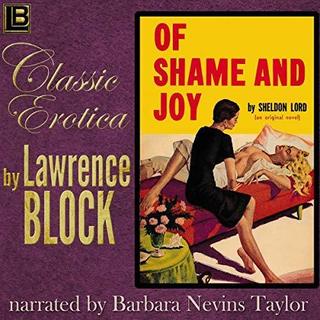
We received 5 star reviews on Audible and reviewers said:
"The narration was great and kept you entertained."
"Barbara Nevins Taylor is a very good narrator. She keeps the story flowing."
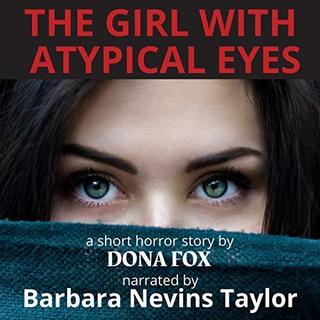
"Barbara Taylor has the perfect voice to narrate this eerie and unsettling story"
"The narrator done a great job telling the story."
"The narrator had the best/creepiest voice that went so well with this story."
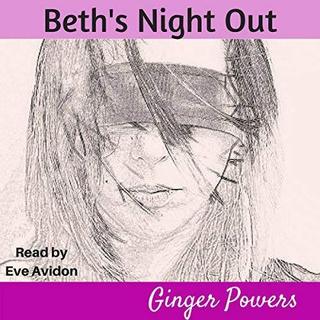
Received 5 star reviews on Audible. Listeners said:
"The narrator was great her voice was fantastic." "The Narrator helps you enjoy the ride and offer you good sexual entertainment."
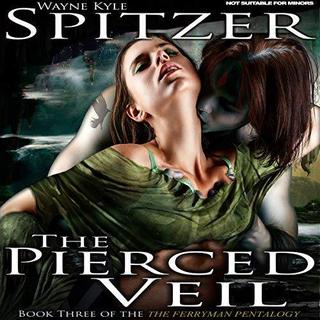
Received 5 star reviews on Audible. Reviewers said, "This is a short novella but it is perfect
The narrator was a first for me but it was great."
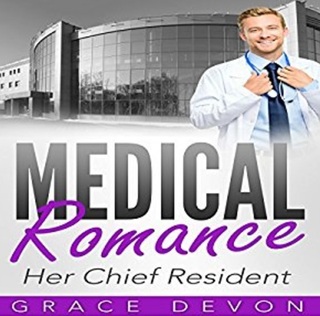
Reviews on Audible: "First I have to say the narrator was great."
And another: "Barbara Nevins Taylor gives an emotional performance. Her voice has a warm quality that makes you feel at home while listening and she is able to easily distinguish between characters. Her portrayal is very enjoyable."
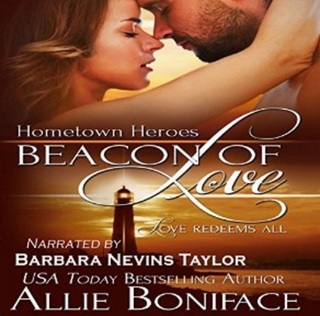
Audible Reviews:
"Which character – as performed by Barbara Nevins Taylor – was your favorite?"
"I really enjoyed Barbara's interpretation Sophie's character. She was so headstrong and purpose driven on the outside, but the conversation that went on in her mind was very complicated and not very confident. I loved how Barbara's performance was able to relay this."
"Loved this book! Can't wait for the next one!"
Beacon of Love is a great start to a series.Barbara Nevins Taylor did a great job narrating Beacon of Love. Between the author and narrator, this book can't be beat!
I loved this book from the very first moment! Beautiful story very well written with wonderful characters. The depiction of the small town life is just perfect! Amazing narration! It's has everything I like when I read!. Intrigue, romance, love, family, angst! Very enjoyable!

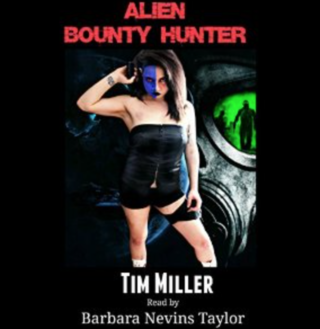
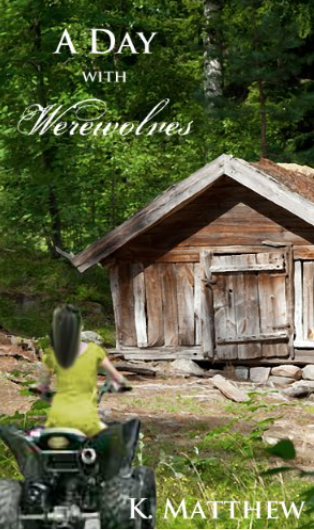
When I was young I studied acting at the High School of Performing Arts, the school featured in the movie "Fame." Later I studied with legendary acting teacher Michael Howard. I appeared in several off-off Broadway productions and then decided to launch a career in journalism. During my successful career I won 22 Emmy Awards.
In 2015 I reawakened my acting muscles and began to take workshops and classes to revive my craft. For several months, Paul Ruben coached me privately and when I got to a good place, he launched me into the audiobook world to begin to perform books.
I have recorded twenty audiobooks and you can find them on Audible and iTunes. I look forward to narrating books of all genres for authors and audio production teams in every part of the audiobook world.
I can be reached at barbaranevinstaylor@mac.com.